index
Mold exposure can quietly affect your health in ways that are often confusing and difficult to diagnose. Many individuals struggling with persistent fatigue, brain fog, sinus problems, digestive issues, or unexplained symptoms may not realize that mold exposure and environmental toxins could be contributing to their health challenges.
Our integrative medicine providers specialize in identifying and treating mold-related illness using a personalized, root-cause approach. By understanding how mold affects the body and addressing the underlying causes, many patients can begin to restore their health and regain energy, clarity, and overall well-being.

What is Mold Exposure?
Mold is a type of fungus that naturally grows in the environment and helps break down organic materials such as wood, dust, paper, and soil. While mold plays an important role in nature, excessive exposure to mold spores—especially in indoor environments—can negatively affect human health.
Mold thrives in environments with moisture. For mold to grow, several conditions must exist:
- Humidity above 60%
- Organic material such as wood, drywall, or dust
- Moderate temperatures between 40–100°F
- Poor ventilation or damp indoor environments
Mold can commonly grow in areas such as:
- Water-damaged buildings
- Basements or crawl spaces
- Bathrooms and kitchens with poor ventilation
- HVAC systems and ductwork
- Leaky roofs, windows, or plumbing
When mold spores become airborne and are inhaled, they can trigger immune reactions and inflammation in susceptible individuals.
What Is Mold Illness?
Mold illness refers to the health effects that occur when the body reacts to mold exposure or toxins produced by mold (called mycotoxins).
Some individuals develop mold sensitivity, a chronic non-allergic response to mold exposure. In certain cases, mold exposure may trigger a condition known as Chronic Inflammatory Response Syndrome (CIRS), where the immune system becomes dysregulated due to exposure to biotoxins.
One reason mold illness is often overlooked is that it rarely presents as a single clear diagnosis. Instead, it can produce a wide range of symptoms affecting multiple organs and systems. Many people struggling with mold illness report being told that their tests are normal or that their symptoms are due to stress. Because mold-related illness is not routinely taught in conventional medical training, it may go unrecognized for months or even years.

Symptoms of Mold Exposure
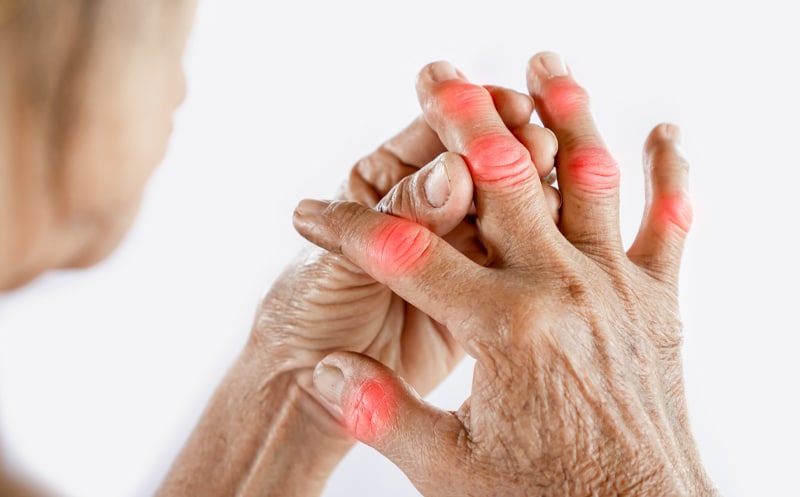
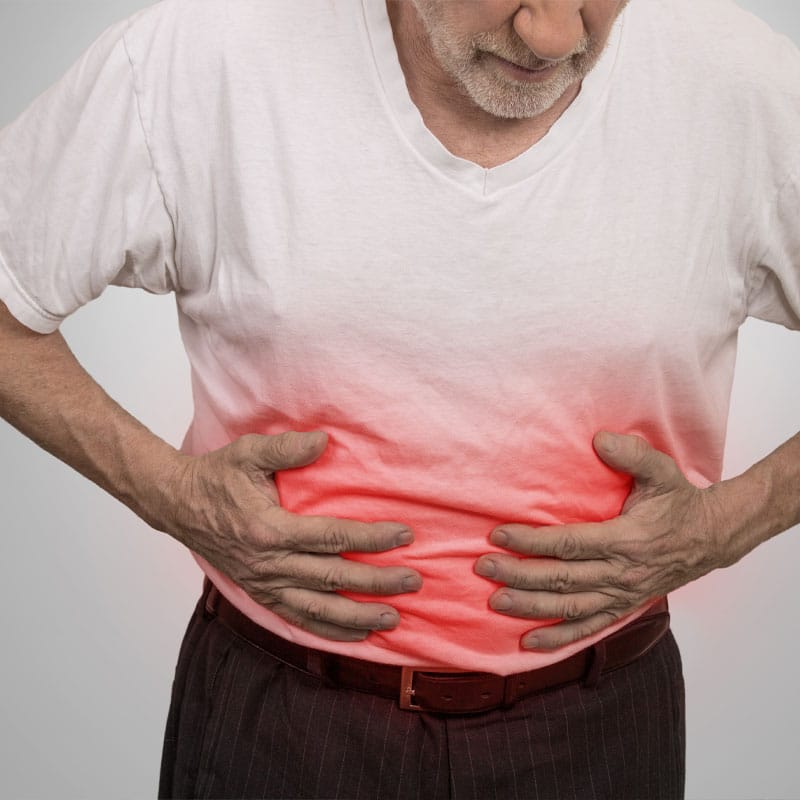
Mold exposure can affect multiple systems in the body, including the immune, respiratory, nervous, and digestive systems. Because mold toxins can trigger inflammation and immune reactions, symptoms may vary widely from person to person.
In many cases, mold-related illness develops gradually and may present as a combination of persistent symptoms that seem unrelated at first. This is one reason mold illness is sometimes referred to as a “master masquerader.”
Causes and Risk Factors for Mold Exposure
Certain factors can increase the risk of developing mold-related illness.
Environmental Conditions
- Living or working in environments with high humidity or water damage can increase exposure to mold spores.
- Poor ventilation and damp areas inside buildings allow mold to grow more easily.
Occupational Exposure
Some occupations may involve increased exposure to mold, including:
- farming
- carpentry
- construction work
- winemaking
Individual Sensitivity
- Individuals with allergies, asthma, or weakened immune systems may be more sensitive to mold exposure.

Mold Illness Treatment
Treating mold-related illness generally involves two essential steps:
- Reducing or eliminating mold exposure
- Supporting the body’s recovery and detoxification processes
Removing mold from the environment is a critical first step in the healing process.
Integrative Treatment Approaches
Our treatment focuses on addressing the root causes of illness and supporting the body’s natural healing systems.
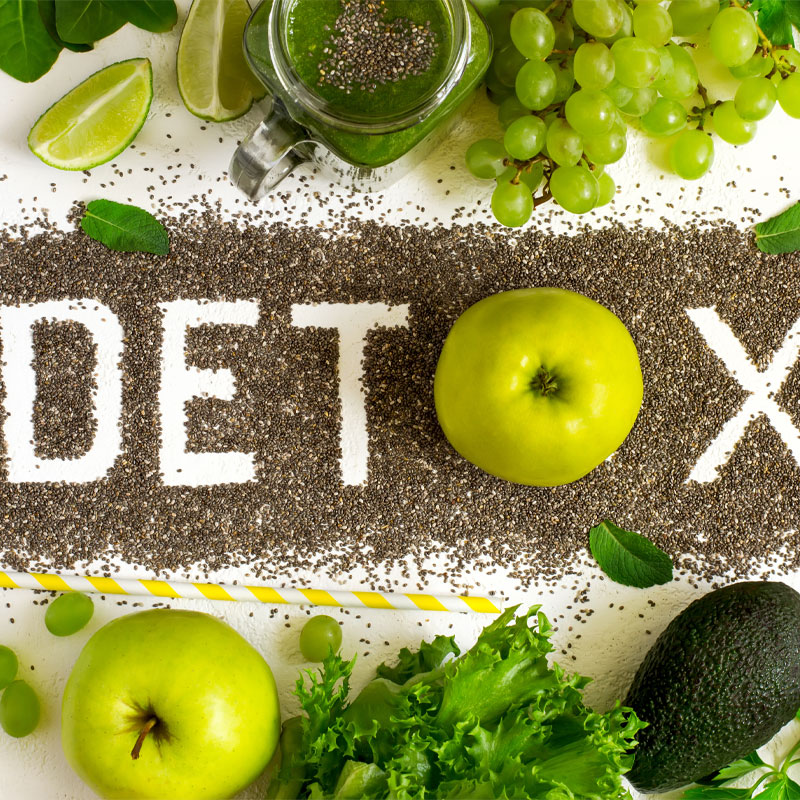
Detoxification Support
Detoxification programs may help restore the body’s ability to eliminate toxins. These programs often focus on:
- Supporting healthy organ function
- Mobilizing toxins stored in tissues
- Enhancing the body’s natural detox pathways
Diet and Lifestyle Changes
Recovery from mold illness often involves personalized lifestyle strategies such as:
- Anti-inflammatory nutrition plans
- Stress management techniques
- Improving sleep quality
- Reducing exposure to environmental toxins
The Good News: Recovery Is Possible
When mold exposure and its effects on the body are properly identified, treatment can help restore balance and improve overall health.
At Rose Wellness, we take the time to listen carefully to your symptoms, evaluate environmental exposures, and develop a personalized treatment plan designed to support healing.
Many patients experience meaningful improvements in:
- energy levels
- cognitive clarity
- immune function
- digestive health
- overall well-being
Start Your Recovery From Mold Illness
- If you have been struggling with fatigue, brain fog, sinus problems, digestive symptoms, or other unexplained health issues, mold exposure may be a contributing factor. You don’t have to continue searching for answers alone.
- At Rose Wellness, our providers specialize in identifying exposure to environmental toxins and developing personalized treatment plans to help restore your health.
- Schedule a consultation today and take the first step toward reclaiming your health.

Toxicity Questionnaire
Here is a Toxicity Screening Questionnaire, which can help identify your symptoms.